Inspirations
A tribute to the visionaries, innovators, and trailblazers from all walks of life who continue to inspire and shape the world.
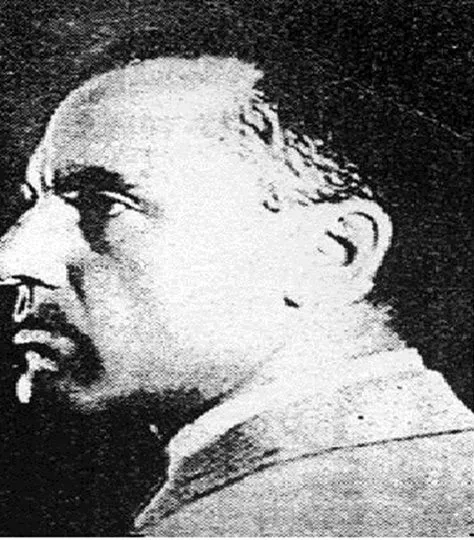
Nikola Geshev
Role: Commander of the Second Department of the Bulgarian Secret Police, specializing in counterintelligence and anti-communist operations
Background: Nikola Geshev was one of Bulgaria's most skilled and enigmatic figures in counterintelligence during the turbulent years leading up to the communist takeover. As the head of the Second Department of the Bulgarian Secret Police, he orchestrated a sophisticated network of informants and double agents within the Bulgarian Communist Party. His deep infiltration of communist ranks allowed him to preemptively thwart operations and dismantle networks, making him a critical figure in Bulgaria’s anti-communist resistance.
Geshev’s ability to manipulate and control information earned him the nickname “The Pope,” reflecting his near-omniscient presence in the fight against communism. His unmatched expertise in psychological warfare and espionage sowed distrust and paranoia among communist operatives, often forcing them to turn on one another.
When the communist coup took place in 1944, Geshev mysteriously vanished, leaving behind a trail of conflicting stories about his fate. Some accounts suggest he escaped to Germany, others to Austria or South America, with deliberate disinformation spread to obscure his true whereabouts. His disappearance remains one of the most enduring mysteries in Bulgarian history, a testament to his strategic brilliance and ability to evade capture.
Legacy: Nikola Geshev is remembered as a master tactician whose work hindered communist efforts at a critical time in Bulgarian history. While controversial, his leadership and the secrecy surrounding his disappearance continue to fascinate historians and inspire debates about the lengths required to combat totalitarian regimes.
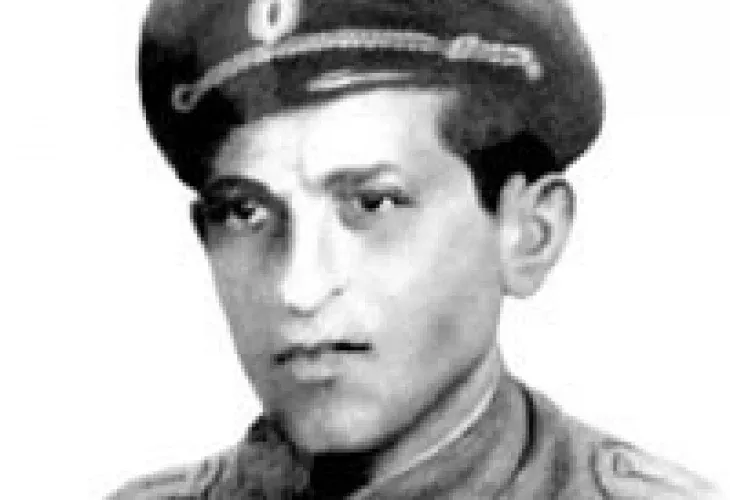
Gerasim Todorov
Role: Leader of the Bulgarian Goryani resistance
Background: Gerasim Todorov was a heroic leader of the Goryani, Bulgaria’s anti-communist guerrilla movement during the early Cold War. Leading one of the most organized resistance groups, Todorov became a symbol of unwavering dedication to freedom, democracy, and opposition to oppression.
Legacy: Todorov’s courage and leadership continue to inspire, serving as a powerful reminder of the bravery required to stand against tyranny, even in the face of overwhelming odds.
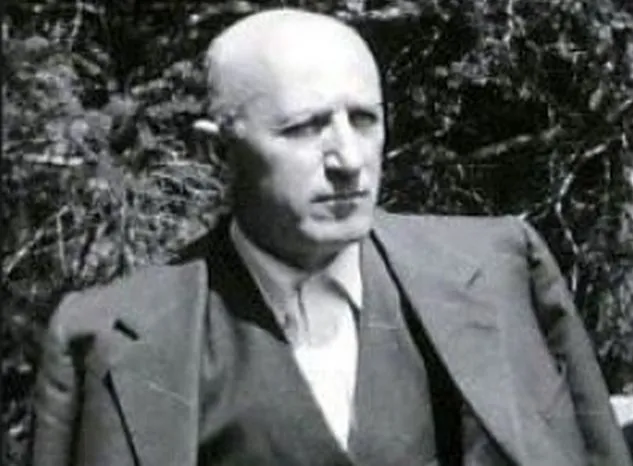
Ivan Mihailov
Role: Leader of the Internal Macedonian Revolutionary Organization (IMRO)
Background: Ivan Mihailov was a prominent nationalist and anti-communist leader who led IMRO in its fight for Macedonian autonomy and Bulgarian nationalism. Known for his militant tactics, Mihailov was a staunch opponent of Yugoslav and communist influence. Spending much of his life in exile, primarily in Rome, he maintained anti-communist networks and supported like-minded exiles.
Legacy: Revered as a defender of Bulgarian national interests.
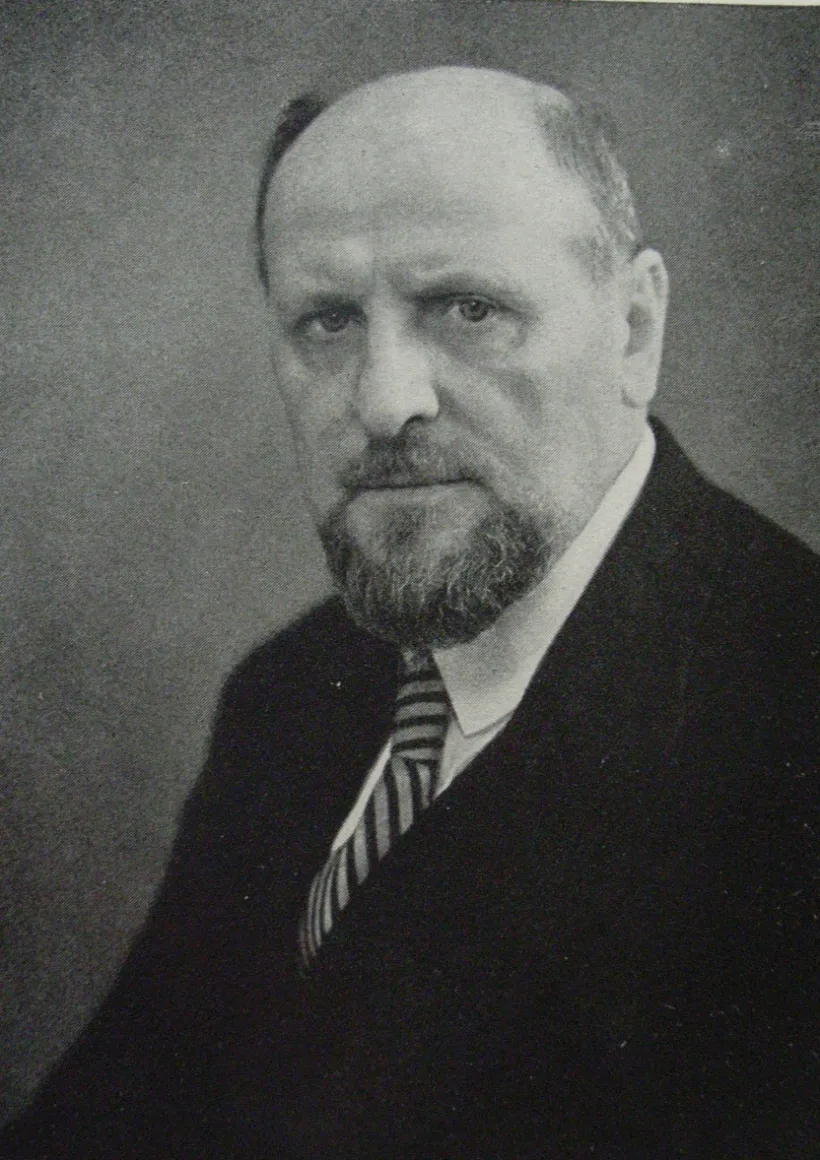
Prof. Aleksandar Tsankov
Role: Prime Minister of Bulgaria (1923–1926) and anti-communist political leader
Background: Aleksandar Tsankov became Prime Minister after the 1923 coup and is known for the White Terror—the violent suppression of communist uprisings. After WWII, he fled Bulgaria and later settling in Argentina, where he was supported by anti-communist networks like those led by Ivan Mihailov.
Legacy: Tsankov is remembered as a leader who delayed the communist takeover of Bulgaria by 20 years, earning recognition from anti-communist supporters for his role in resisting leftist uprisings.
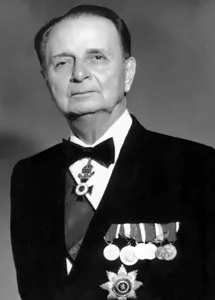
Ivan Dochev
Role: Founder and leader of the Bulgarian National Front (BNF)
Background: Ivan Dochev was a leading anti-communist activist who fled Bulgaria after 1944 and worked to unite the Bulgarian émigré community. Based in the United States and Western Europe, Dochev's BNF aimed to resist communism and keep the hope of liberation alive.
Legacy: A dedicated anti-communist leader, Dochev inspired the Bulgarian diaspora to continue resisting Soviet influence and preserving their national identity.
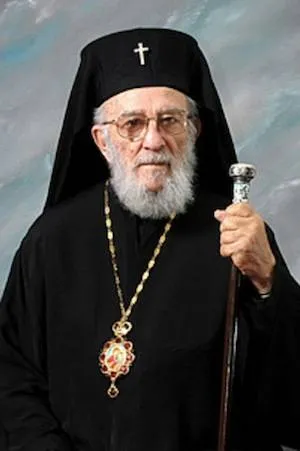
Metropolitan Kiril Yonchev
Role: Cleric and anti-communist leader within the Bulgarian Orthodox Church
Background: Metropolitan Kiril Yonchev opposed communist atheistic policies and worked to preserve the Orthodox faith and Bulgarian culture abroad. Moving to the United States, he became a spiritual leader for the Bulgarian émigré community, fostering unity and resistance to communist oppression. He also successfully separated many Bulgarian Orthodox temples in the U.S. from the communist-controlled Bulgarian Orthodox Church, ensuring their preservation by affiliating them with the Orthodox Church in America (OCA).
Legacy: Yonchev is remembered for his efforts to uphold the Bulgarian Orthodox tradition, protect churches from communist influence, and provide moral support to anti-communist Bulgarians in exile.
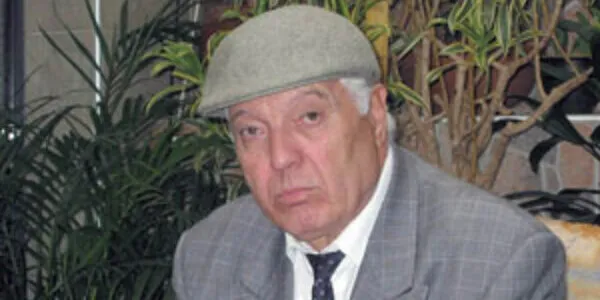
George and Pando Mladenov
Role: Activists of the Macedonian Patriotic Organization (MPO)
Background: George Mladenov (b. 1931) and his brother Pando were Bulgarian patriots who resisted the forced Macedonization policies imposed by the communist regime in Bulgaria. Exiled to Cherni Vit, George escaped to Canada in 1951, where he joined Pando and became an active member of the MPO. Together, they maintained close ties with Ivan Mihailov and stood firmly against communist and Macedonist influences, publishing alternative media to preserve Bulgarian identity within the diaspora.
Legacy: The Mladenov brothers are remembered for their dedication to protecting Bulgarian heritage and opposing ideological suppression. Their work continues to inspire those defending cultural identity and historical truth.
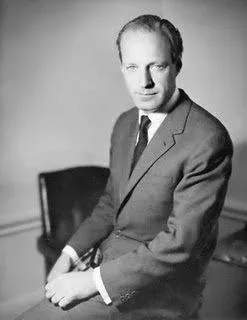
Stefan Groueff
Role: Journalist, author, and anti-communist intellectual
Background: Stefan Groueff was a Bulgarian writer and journalist who settled in the United States after fleeing communism. Known for his detailed historical accounts, such as "Manhattan Project: The Untold Story of the Making of the Atomic Bomb", he highlighted Bulgarian history and anti-communist perspectives through his works.
Legacy: Groueff's writings preserved Bulgarian culture and history, showcasing a bridge between Bulgaria’s pre-communist past and the wider world.
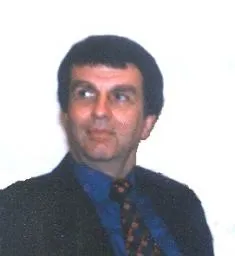
Nikolas Stoidis (Nikola Stoyanov)
Role: Activist and Chairman of "Bulgarian Human Rights in Aegean Macedonia"
Background: Nikolas Stoidis, born Nikola Stoyanov, was an ethnic Bulgarian from Edessa (Slavic name: Voden), Greece, and a vocal advocate for the rights of Bulgarians in Aegean Macedonia. As chairman of the organization "Bulgarian Human Rights in Aegean Macedonia," founded in 2000, he worked to combat historical falsifications and defend the human and civil rights of ethnic Bulgarians in the region. The organization, headquartered in Edessa with branches in Lerin, Kostur, and Thessaloniki, focused on protecting cultural heritage, restoring confiscated properties, and advocating for the recognition of Bulgarian language and identity.
Stoidis faced severe opposition from Greek authorities and nationalist groups, with his home frequently vandalized with death threats such as “Death to the Traitor.” Despite his efforts, he was ultimately abandoned by the Bulgarian government, which ignored his pleas for assistance. Stoidis was imprisoned in Greece under harsh conditions and left to die, becoming a tragic symbol of the failure to protect ethnic Bulgarians in the region.
Legacy: Nikolas Stoidis symbolizes the courage to stand against oppression and fight for ethnic and cultural rights under challenging conditions.
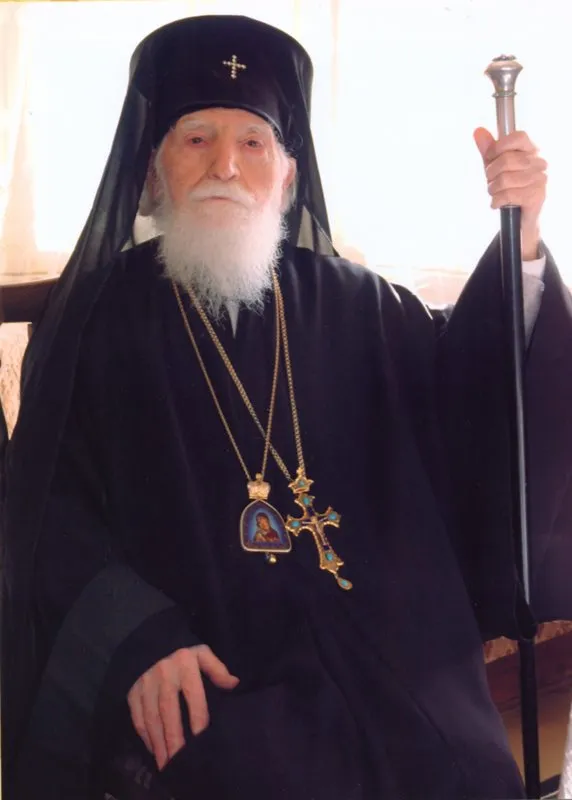
Metropolitan Boris of Plovdiv
Role: Metropolitan of Plovdiv in the Alternative Synod of the Bulgarian Orthodox Church
Background: Metropolitan Boris, born Boris Trifonov Bogoev in 1911, was a Bulgarian Orthodox cleric who served as Metropolitan of Plovdiv within the Alternative Synod of the Bulgarian Orthodox Church from 1999 until his death in 2006. After completing his education at a theological seminary and faculty, he became a priest in Plovdiv. Following the death of his wife, he took monastic vows and was appointed abbot of the Troyan Monastery.
In the early 1990s, Boris joined the Alternative Synod, initially serving as Bishop of Tiveriopolis before being elevated to Metropolitan of Plovdiv. During his tenure, he chaired the canonization committee of the Alternative Synod, leading to the canonization of Deacon Ignatius (Vasil Levski) as a saint in 1996.
Legacy: Metropolitan Boris is remembered for his dedication to the Bulgarian Orthodox faith, his leadership within the Alternative Synod, and his role in preserving religious traditions during a turbulent period for the Bulgarian Orthodox Church. He was heavily oppressed by the communist authorities during his lifetime, enduring significant challenges for his unwavering commitment to the church and its values.